Explanatory articles on IRSFP research directions.
Scholarly articles exploring the methods, results and limitations of IRSFP research manuscripts.
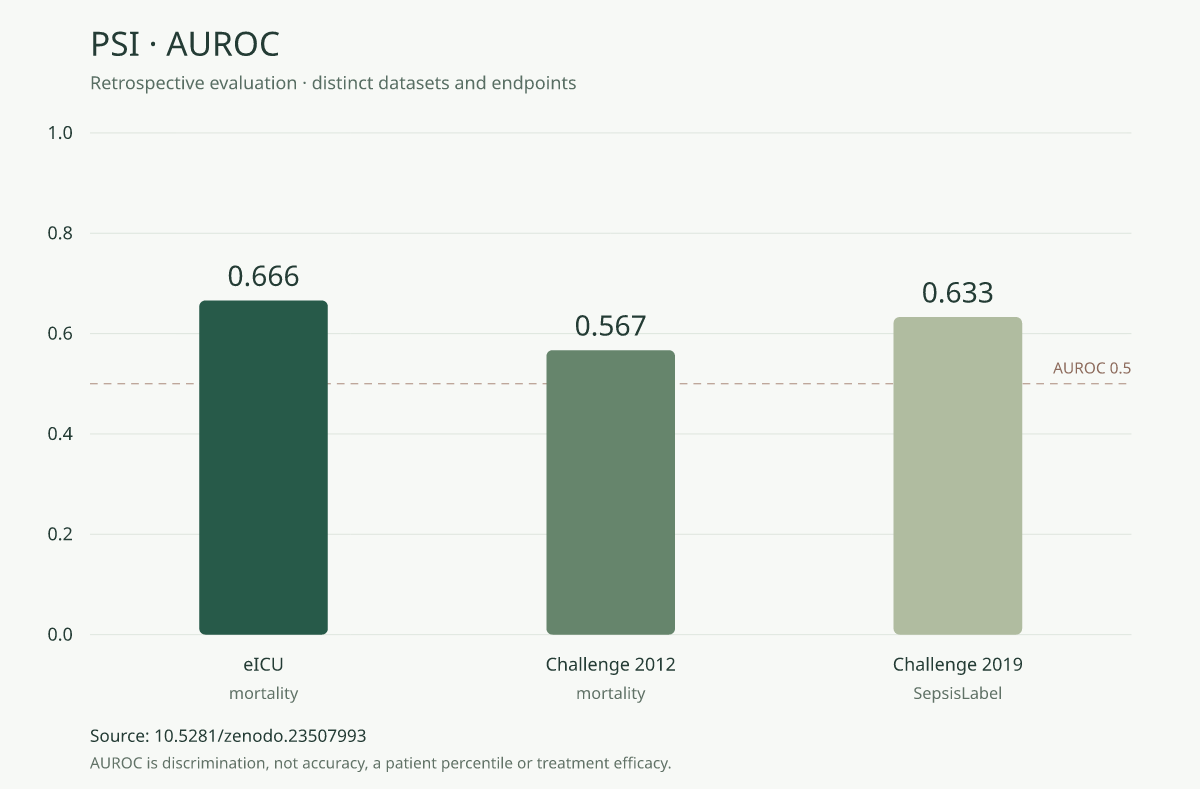
The Physiological Stability Index (PSI) offers a transparent, component‑based framework for quantifying dynamic instability in ICU patients. Recent retrospective analyses reveal modest discriminative power and important negative findings, underscoring the need for external validation before any clinical deployment.
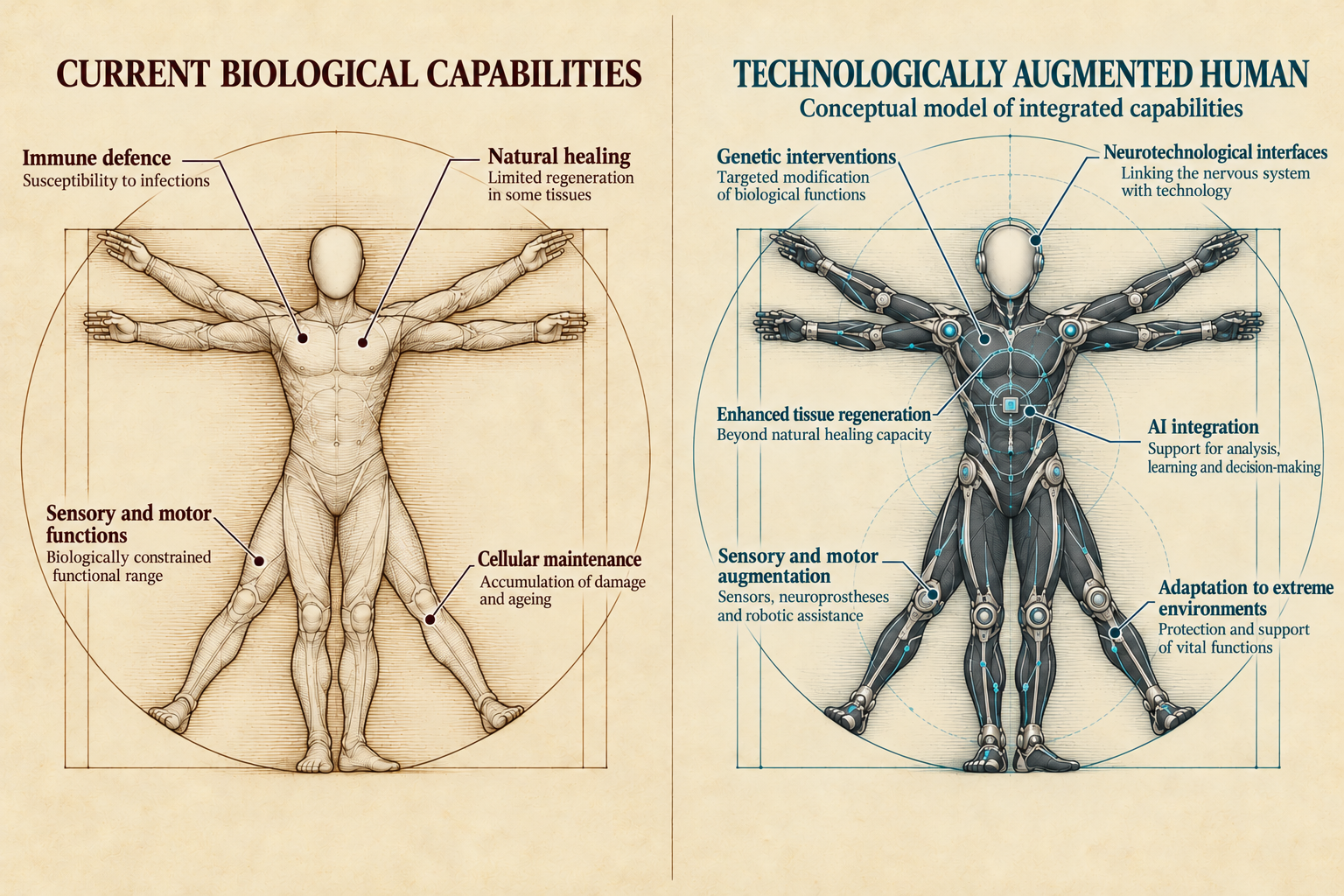
Technology reshapes the world at breakneck speed, yet our biological foundations remain largely unchanged. A striking infographic inspired by Da Vinci’s Vitruvian Man visualises this gap, prompting a critical look at where we should direct future research and how we confront emerging ethical dilemmas.
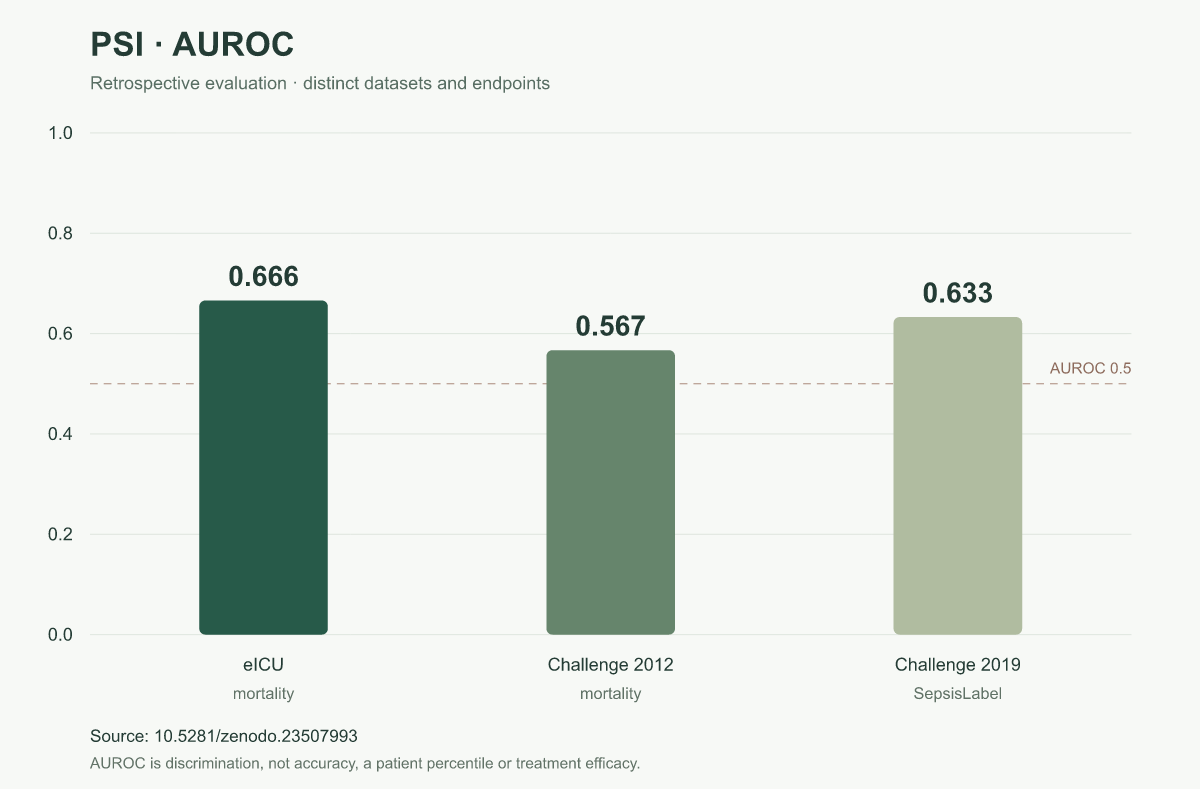
PSI examines physiological instability in intensive care data. OSD proposes how to test changes in pathological tumour states. Stability is the shared question; the available evidence is at different stages.

Information-Energetic Thermodynamics seeks a common description of information, energy costs and irreversibility in the physical processing of information.

PSI is a research concept for investigating whether changes in system stability can be detected in physiological time series.

OSD explores whether the tumour environment can be described through biological states and transitions between them.

Alternative cosmological models are meaningful only when tested against established data and reference models.

Investigating information–energy efficiency requires metrics that can be tested on open data and appropriate benchmark scenarios.
Event verification, stability, retention and an open analysis of Backblaze drive reliability. DOI: 10.5281/zenodo.23247837
Realised volatility, autocorrelation and market relaxation: a measurable proposal and the conditions for independent validation.
A retrospective Fagradalsfjall case study, critical slowing down and the limits of future predictive validity.
 IRSFP